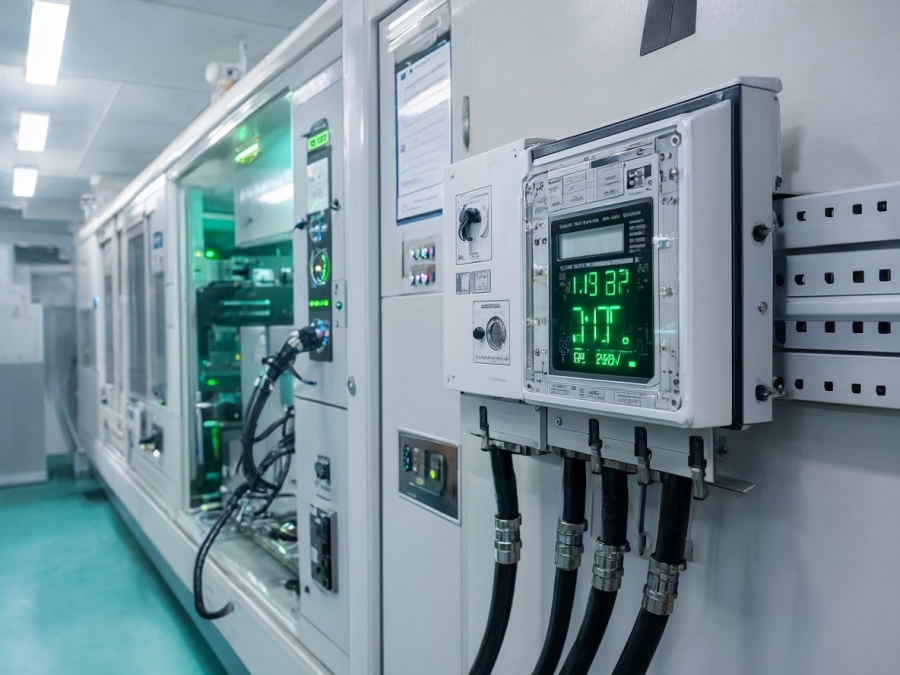
In corporate R&D and quality management, temperature and humidity chambers — with frequent high-power heating and humidification and intense compressor thermal cycling — are widely known as the lab's "power hogs". As the world advances carbon-peaking and carbon-neutrality goals, cutting chamber energy use and building green low-carbon labs has become a shared priority for equipment makers and corporate purchasing. This article reveals how modern chambers achieve major energy savings through technology innovation without sacrificing test accuracy.
Traditional chambers control temperature and humidity by the balance method: the compressor runs at full output while big heaters cancel the surplus cooling — "pressing the accelerator and the brake at once", wasting enormous electricity. To break this bottleneck, modern chambers introduce these cutting-edge energy-saving controls:
- Inverter compressors with fine refrigerant metering (electronic expansion valves): the new-generation refrigeration core uses inverter control. The system dynamically adjusts compressor speed and output to the set temperature and the actual thermal load inside. With high-precision electronic expansion valves metering refrigerant like a precision dropper, cooling is delivered "on demand", fundamentally ending the old habit of cancelling cooling with big heaters.
- Three-phase balanced heating with solid-state relay (SSR) proportional control: the heating system abandons crude contactor switching in favour of solid-state relays with smart PID algorithms. High-frequency, low-energy pulses keep the heating wire in dynamic micro-compensation, reaching ±0.2°C control accuracy while avoiding grid surges and losses from frequent high-power heater starts.
- High-temperature heat storage and energy-recovery system: in frequent thermal-cycling tests the chamber adds a heat-recovery unit. During cooling phases it captures and stores waste heat from compressor discharge; when the profile turns to heating, that recovered heat pre-heats first, greatly cutting electric-heater run time and power.
- High-performance insulation and cold-bridge isolation: beyond active savings, passive insulation matters just as much. Upgraded cabinet craftsmanship, seamless-welded inner shells, cold-bridge isolation heat-breaks at the four-line door contact faces and cable ports, plus thickened fine glass-wool foam layers, minimise heat leakage from the working volume.
With energy-saving hardware in place, lab managers can maximise the savings through scientific scheduling and operation:
- Optimise schedules and run for "temperature continuity": when planning the month's tests, group similar temperature ranges and test types. Avoid jumping straight from a -70°C deep-freeze to a 150°C bake; exploit the residual thermal energy inside the cabinet to cut the electricity of violent ramps.
- Enforce specimen-power interlocks in on-load tests: if specimens self-heat, use the chamber's auxiliary control interface to interlock specimen power with the chamber program. When the test ends and the chamber enters soak/shutdown, the specimen supply cuts automatically, preventing continuous specimen heat from forcing the refrigeration unit into overloaded idle running.
- Clean air-cooled condensers and fan blades regularly: heat-rejection efficiency directly sets compressor draw. Dust-clogged fins raise discharge pressure and multiply current. Blow condensers clean with air every two months to keep the unit in its best COP band.
- Run long profiles on off-peak tariffs: for constant damp-heat tests of hundreds of hours (e.g. 85/85), exploit the controller's multi-segment scheduler. Put the high-power ramp-up and humidification start into the cheap night window, letting daytime drift into low-power steady state — sharply cutting lab electricity bills.
In short, modern temperature and humidity chambers are tearing off the traditional "high energy consumption" label. With inverter refrigeration, micro heat compensation and energy recovery, they simulate extreme climates precisely while fitting the green low-carbon industrial trend — helping companies raise product reliability and go greener, further and more sustainably.