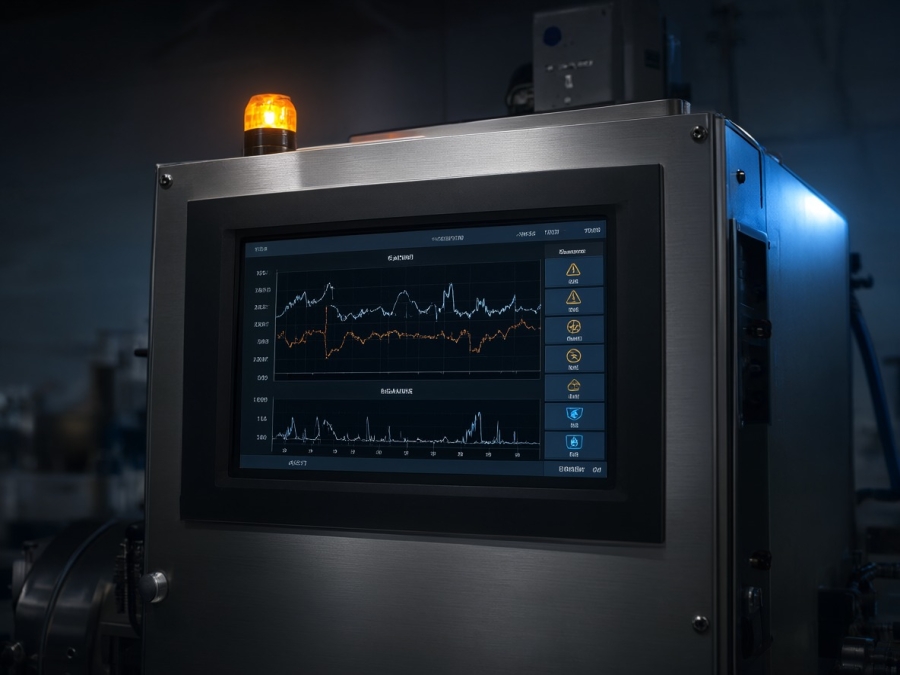
The temperature and humidity chamber combines high-pressure refrigeration, high-power electric heating, fine humidification and precision micro-control in one machine, and often runs hundreds or even thousands of hours day and night without stopping. Under long alternating stress of severe cold, scorching heat and high humidity, the smallest hardware fatigue can interrupt a test or endanger high-value specimens. Modern chambers' smart self-check and fault-diagnosis systems are therefore the lab's "safety whistleblower". This article explains the fault-warning mechanisms and the scientific emergency-response path.
New-generation chambers carry microprocessor-based multi-level self-check systems. Before start-up and during operation, a dense sensor network dynamically health-checks four core modules:
- "Blood pressure" monitoring of the refrigeration unit: pressure sensors on the compressor's high and low sides watch refrigerant-cycle pressure in real time. If poor condenser heat rejection spikes pressure, or a leak drops it too low, the system trips "high-pressure/low-pressure protection" and cuts compressor power before the board can burn.
- Dry-burning defence for heating and humidification: humidifier tubes heat immersed in water; if the level controller fails and the tank runs dry, serious fire can follow. The self-check system interlocks float switches with over-temperature protectors: once water falls below the safe line, heating stops immediately and a buzzer alarms.
- Phase-reversal and overload protection for the air-circulation system: the fan is the only driver of thermal convection. A built-in phase-sequence protector automatically detects reversed three-phase wiring (preventing reverse fan rotation) while motor current is monitored; if a seized bearing overloads the fan, the system stops it before the duct system burns out.
- Sensor break/short detection in the control loop: if the temperature-humidity sensor (PT100 platinum RTD) breaks or shorts, the controller loses real data and may blindly command heating. The smart controller detects abnormal sensor resistance (outside the theoretical normal range) and instantly locks all outputs into protection mode.
However capable the self-check system, operators still need a standardised, scientific emergency procedure for common sudden situations:
- Troubleshooting "false 100%" humidity or readings that rise instead of fall: this is usually not hardware damage but the wet-bulb gauze in the wet-and-dry-bulb system. First check the water trough has water; then confirm the gauze is not hardened, scaled or mis-hung (failing to wrap the humidity sensor). Replacing with clean dedicated gauze and flushing the trough usually fixes it immediately.
- Heating normal but cooling slow or impossible: first check whether lab ambient temperature exceeds 30°C, starving the air-cooled condenser of heat rejection. If so, run lab air conditioning and blow dust from condenser fins with compressed air. If cooling still lags, call after-sales to check for trace refrigerant leakage.
- Emergency protection on sudden grid power loss during a test: for high-value or powered specimens, sudden outages can lose data. In lab planning, feed the chamber controller from a small UPS and set its "power-failure memory" mode — choose "cold start after outage" or "resume the interrupted program" so the equipment recovers automatically and safely when the grid returns.
- Emergency abort on a runaway over-temperature alarm: when the controller shows an over-temperature alarm (possibly a shorted solid-state relay heating continuously), beyond the controller's own logic cut-off the operator should immediately press the red physical "EMERGENCY STOP" button on the front panel, manually cutting the main AC contactor, and only open the door to remove specimens after the cabinet has cooled.
In summary, the operating safety and error-proofing of a temperature and humidity chamber is the most critical "invisible cost" in judging equipment quality. Sensitive sensor self-checks, rigorous logic-protection algorithms and disciplined operator emergency procedures not only keep chambers from "serving while ill", but act at critical moments as the blast shield and safety lock for high-value R&D specimens — the bottom defence line of reliability testing.